Beyond the Usual: Hobbies That Train Your Brain to Think Creatively
In a world that moves faster every day, creativity isn’t just nice to have — it’s essential. Whether you’re designing a logo, solving a work problem, or just trying to come up with a new dinner recipe, thinking outside the box gives you an edge. But here’s the thing: creativity is like a muscle. You have to exercise it. One of the most enjoyable ways to do that is through hobbies. Stepping away from your daily routine and trying something creative can spark fresh ideas and open up new ways of seeing the world. Let’s look at a few hobbies that are great for exactly that.
Painting and Drawing: Let Your Imagination Run Wild
You don’t need to be the next Picasso to benefit from picking up a brush or a pencil. Painting and drawing force you to translate what’s in your head onto a blank surface. That process — choosing colors, playing with shapes, deciding where shadows fall — is pure creative exercise.
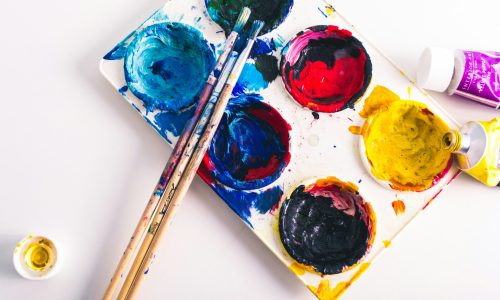
Along the way, you’ll hit little problems. The composition feels off. Two colors clash. You can’t get the perspective right. Solving those tiny puzzles trains your brain to look for unconventional solutions. And there’s a bonus: painting and drawing can be meditative. When you get lost in the strokes, your conscious mind steps aside, and suddenly unrelated ideas start connecting on their own. That’s where real creativity lives.
Playing an Instrument: Make Music, Make Connections
Learning to play an instrument is like a full‑body workout for your imagination. You’re not just reading notes off a page — you’re breathing life into them, adding feeling, speed, dynamics. Even playing a simple melody requires constant small decisions.
And if you play with others? That’s collaboration at its most creative. You listen, you respond, you improvise. You might start with a basic chord progression and end up somewhere completely unexpected. Plus, music trains your brain to think on its feet. That mental flexibility spills over into everyday life, helping you come up with quick, clever solutions when you least expect them.
Writing: Shape Worlds With Words
Writing is one of the most accessible creative hobbies out there. All you need is a notebook or a phone. But don’t let the simplicity fool you — writing is a powerhouse for creative thinking. Whether you’re crafting a short story, a poem, or even just a detailed journal entry, you’re learning to structure thoughts, build narratives, and see through other people’s eyes.
Fiction writing forces you to invent characters, settings, and conflicts from scratch. Nonfiction still requires you to find fresh angles and tell true stories in compelling ways. And journaling? That’s a quiet form of creativity too. Putting your own experiences into words helps you reflect, connect dots, and often stumble upon insights you didn’t know you had. Over time, writing rewires your brain to think more clearly and more originally.
Photography: Find Beauty Where Others Don’t Look
Thanks to smartphones, almost everyone has a camera in their pocket. But there’s a big difference between snapping a quick picture and actually practicing photography as a hobby. When you slow down and really look for a good shot, you train your eye to notice details — the way light falls on a leaf, the geometry of a building, the expression on a stranger’s face.
Photography pushes you to see the ordinary as extraordinary. It forces you to experiment with angles, framing, and timing. You start asking questions like, “What if I shoot from ground level?” or “How would this look in black and white?” That mindset — constantly asking “what if” — is the essence of creative thinking. And when you share your photos and see how others interpret them, you get a whole new layer of inspiration.
Conclusion
Creativity isn’t some magical gift that a lucky few are born with. It’s a skill you build, one small choice at a time. And hobbies are one of the most enjoyable ways to do the work. Painting, music, writing, photography — each of these activities gently pushes your brain away from routine thinking and toward something fresher. So pick one that appeals to you. Don’t worry about being “good” at it. Just start. Your next big idea might be waiting on the other side of a paintbrush, a piano key, a blank page, or a camera lens.