Mastering Startup Marketing: A Practical Guide to Growth
Startups today face an uphill battle: tight budgets, little brand recognition, and crowded markets. Yet, with the right marketing approach, even the newest company can connect with its audience and drive real growth. This guide outlines core strategies to help startups succeed.
1. Know Your Target Audience Inside Out
Before launching any campaign, you must understand who you’re trying to reach. Defining your ideal customers allows you to craft messages that truly resonate. Start with market research to gather data on demographics, psychographics, and purchasing habits. Then, create buyer personas — fictional profiles of your perfect customers — to guide every marketing decision.
Once your audience is defined, develop a clear value proposition. Explain how your product solves their specific problems and addresses their pain points. This message will become the backbone of all your marketing efforts.
2. Build a Powerful Online Presence
In the digital era, your online footprint is your storefront. Begin with a professional website that clearly presents your brand and offerings. Optimize it for search engines (SEO) so potential customers can find you easily.
Next, use social media platforms like Facebook, Instagram, Twitter, and LinkedIn to interact directly with your audience. Post compelling content that encourages engagement. Partner with influencers or complementary brands to expand your reach.
Paid advertising — such as Google Ads or social media ads — can also boost visibility and drive targeted traffic. Regularly monitor performance metrics to refine your campaigns based on real data.
3. Use Content Marketing to Build Trust and Authority
Content marketing is a cost-effective way for startups to demonstrate expertise, increase brand awareness, and attract leads. Produce high-quality, useful content that addresses your audience’s challenges — whether blog posts, videos, infographics, podcasts, or e-books.
Share this content across your website, social channels, email newsletters, and even as guest posts on industry blogs. Encourage comments and feedback; this not only builds relationships but also reveals what your audience values most.
Collaborating with influencers or industry experts on co-branded content or guest articles can further boost your credibility and extend your reach.
4. Make Data-Driven Decisions with Analytics
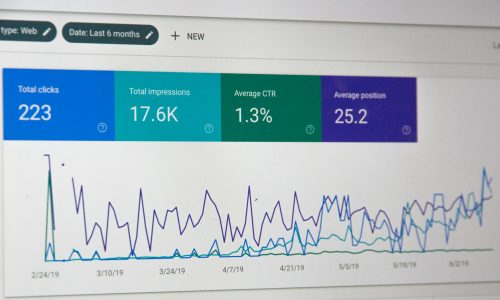
Data analytics is non-negotiable for effective startup marketing. By studying information from website analytics, social media insights, email metrics, and customer feedback, you can understand audience behavior and preferences.
Use tools like Google Analytics or built-in social media analytics to track key performance indicators (KPIs) such as website traffic, conversion rates, engagement (likes, shares), and customer acquisition costs. This reveals what’s working and what needs adjustment.
Test different strategies, measure their impact on KPIs, and continuously optimize your campaigns. Let data, not guesswork, guide your next moves.
Final Thoughts
Startups don’t need huge budgets to market effectively — they need smart, focused strategies. By defining your audience, building a strong online presence, embracing content marketing, and leveraging data analytics, you can position your business for success. Remember to stay agile: regularly review and adjust your approach based on market shifts and customer feedback. With persistence and a well-executed plan, your startup can overcome initial hurdles and achieve sustainable growth.