Global Literacy Rates: What You Need to Know – Key Insights & Trends
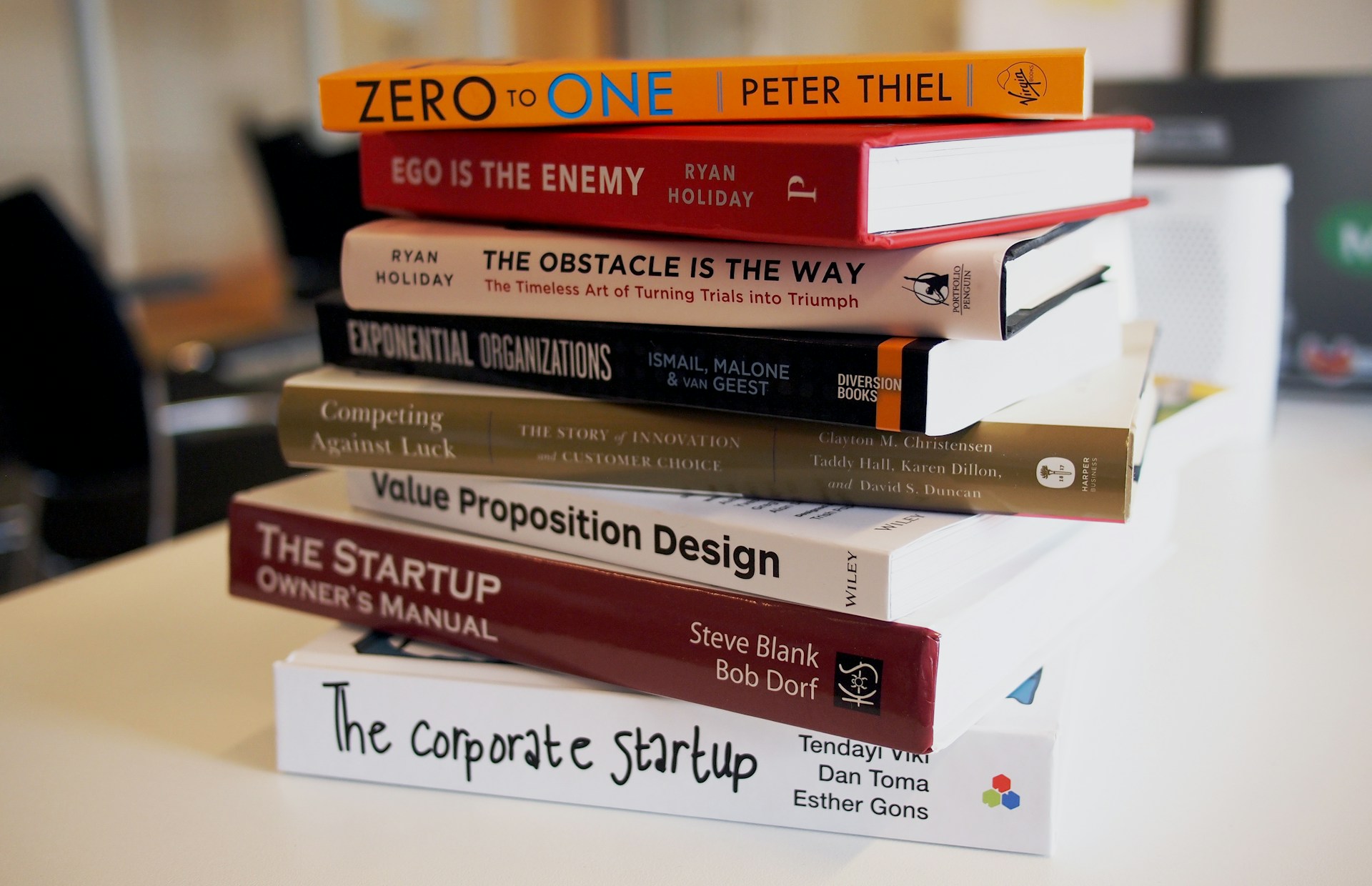
In our increasingly connected world, literacy remains a fundamental driver of socioeconomic progress. The ability to read and write isn’t just a personal asset—it’s a cornerstone of national development. This article explores the latest trends and critical insights into global literacy rates, offering a clear picture of where we stand today.
The Current Situation
Data from UNESCO reveals a sobering reality: around 773 million adults worldwide still lack basic literacy skills. This figure underscores the persistent educational challenges that many countries face. Although significant strides have been made—particularly in reducing illiteracy among children—there is still a long road ahead.
Wide Regional Gaps
Literacy levels vary dramatically from one region to another. Sub-Saharan Africa, for example, records some of the lowest rates globally. Poverty, limited access to quality schooling, and gender inequality are key factors behind these low numbers. In contrast, more developed regions such as Europe enjoy near-universal literacy, thanks to strong education systems and consistent government support.
The Gender Divide
Gender continues to influence literacy rates around the world. Historically, women and girls have faced greater obstacles to education than men. While global efforts have helped narrow this gap—especially in wealthier nations—gender inequality in literacy remains a serious issue in many parts of the world.
Why Literacy Matters for Development
High literacy rates go hand in hand with stronger socioeconomic outcomes, both for individuals and for entire societies. People with solid reading and writing skills are more likely to find better jobs and earn higher wages. Furthermore, literate communities tend to experience lower crime rates and improved public health, all of which contribute to long-term prosperity.
Looking Ahead
Understanding global literacy rates is essential for spotting key trends and targeting educational efforts where they are most needed. Although progress has been made in reducing illiteracy, regional disparities and gender gaps continue to pose major challenges. By prioritizing universal access to quality education and tackling the root causes of low literacy, we can work toward a fairer, more prosperous future for everyone.